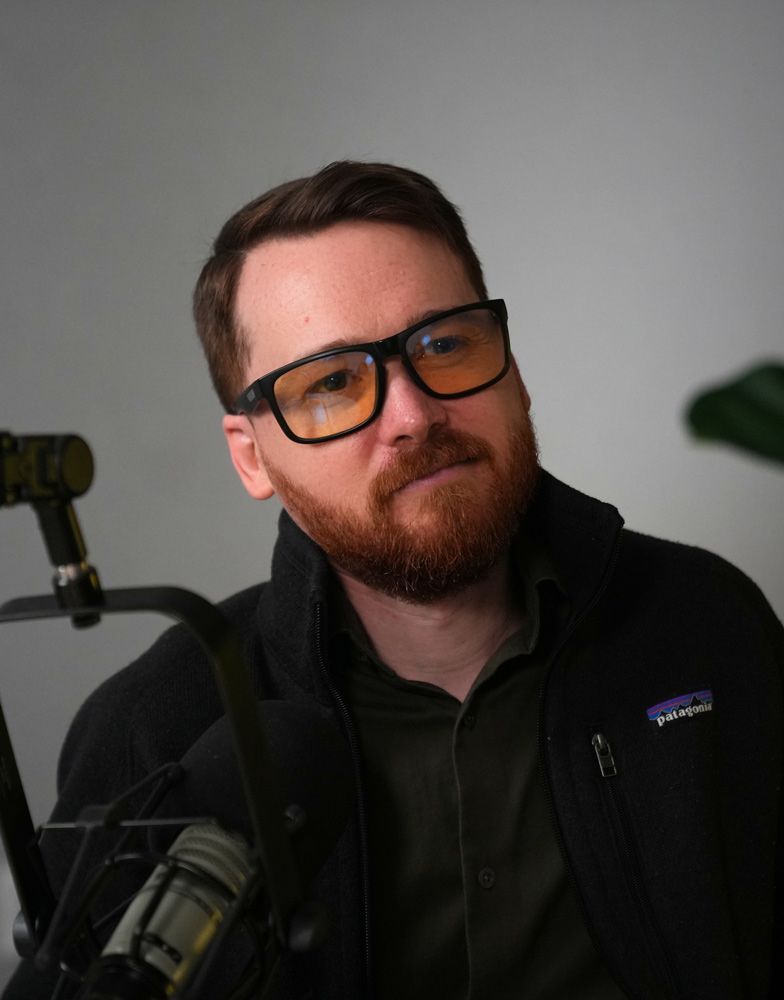
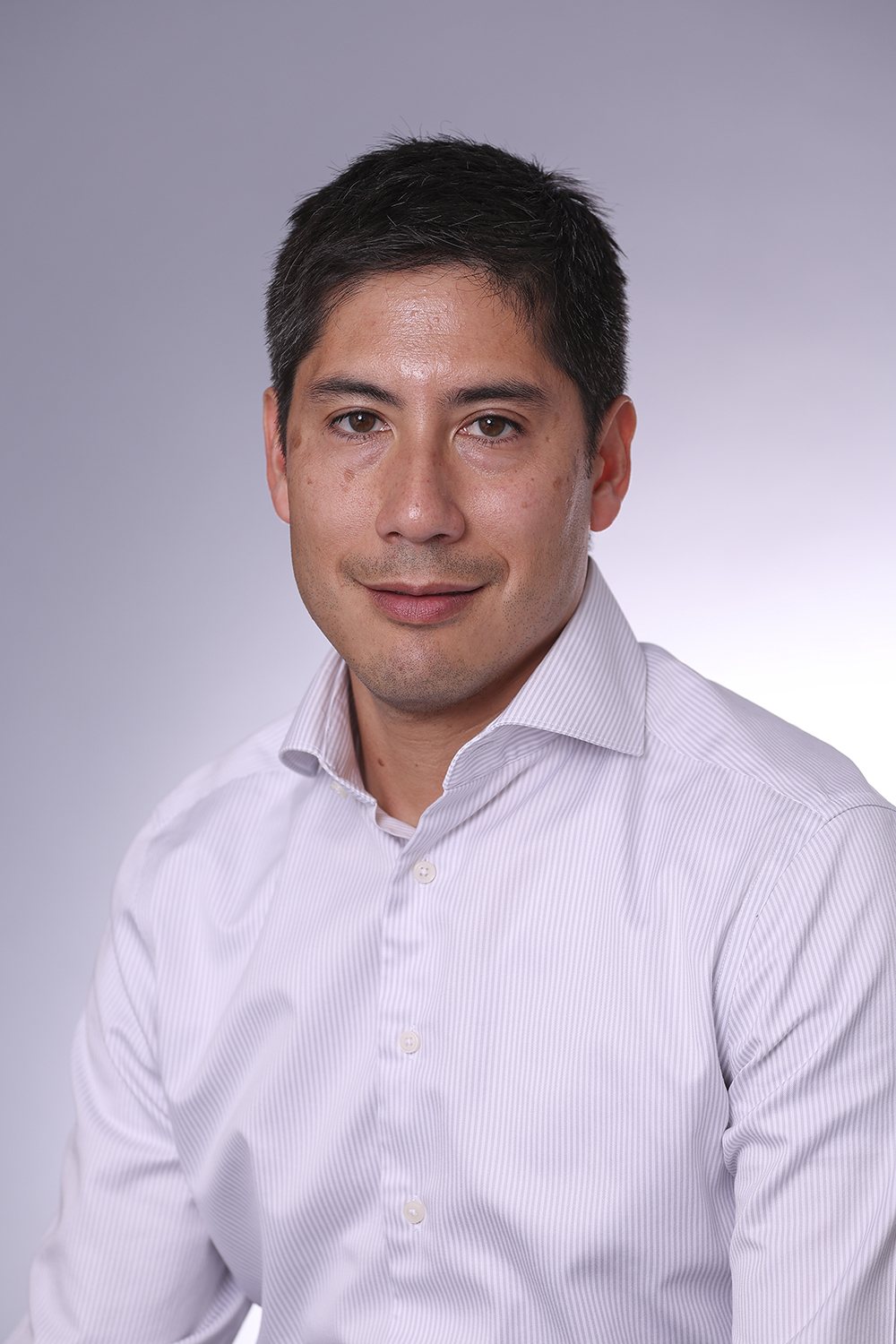
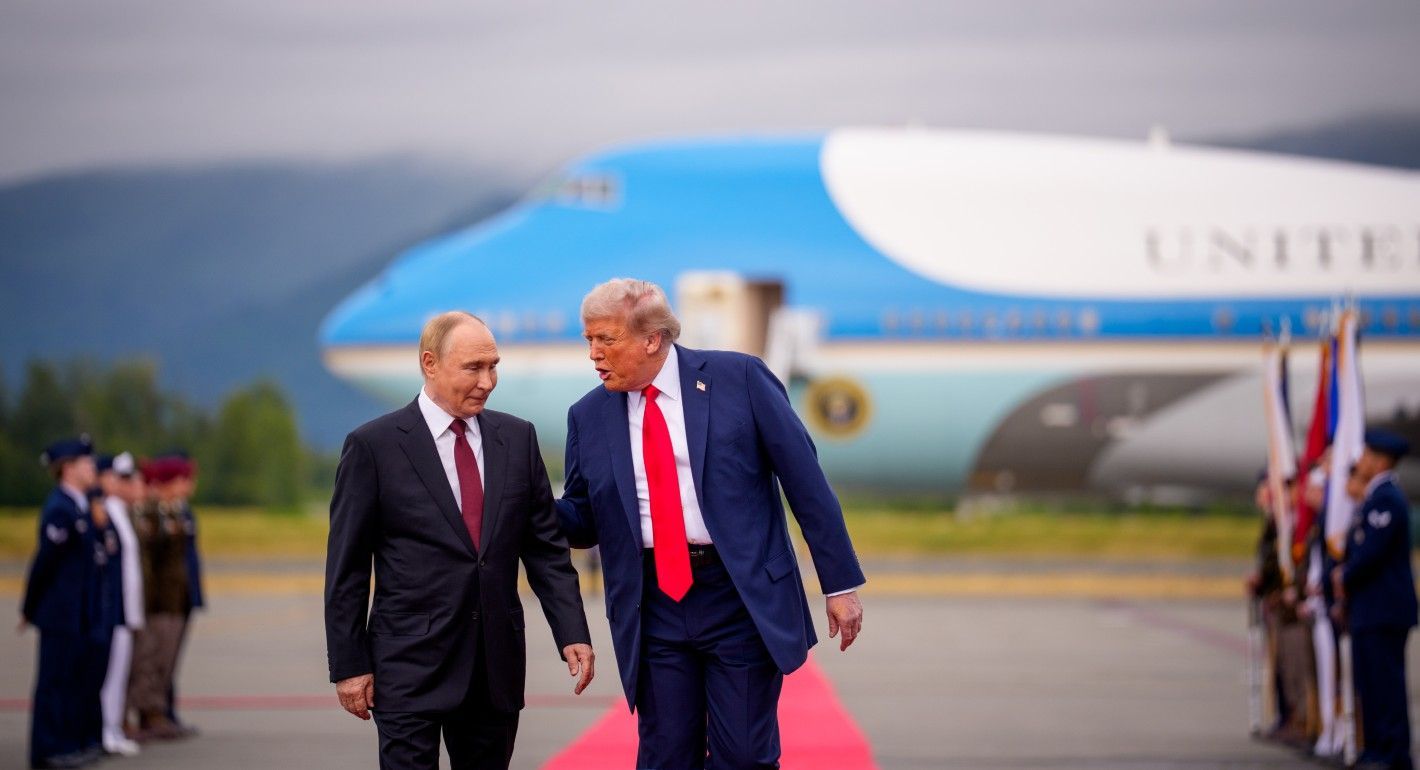
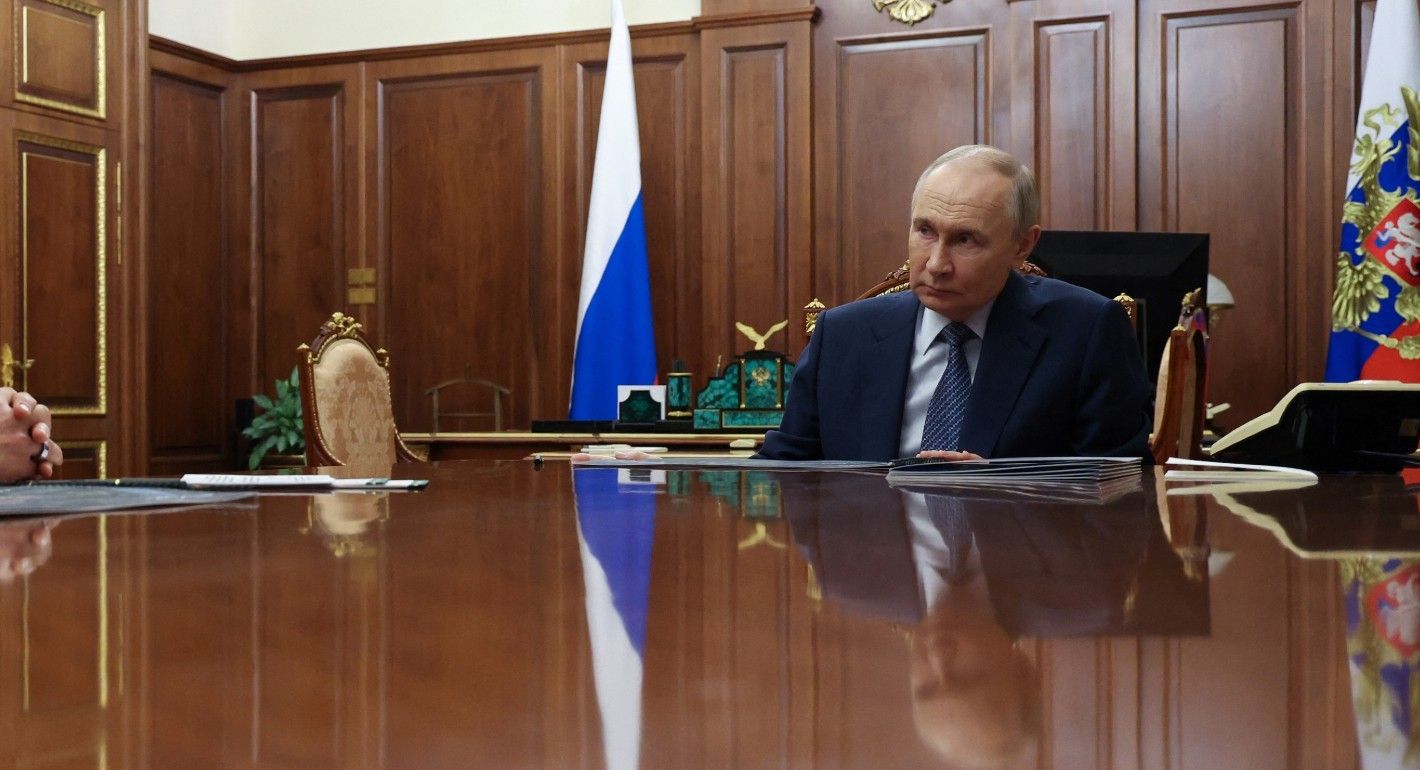
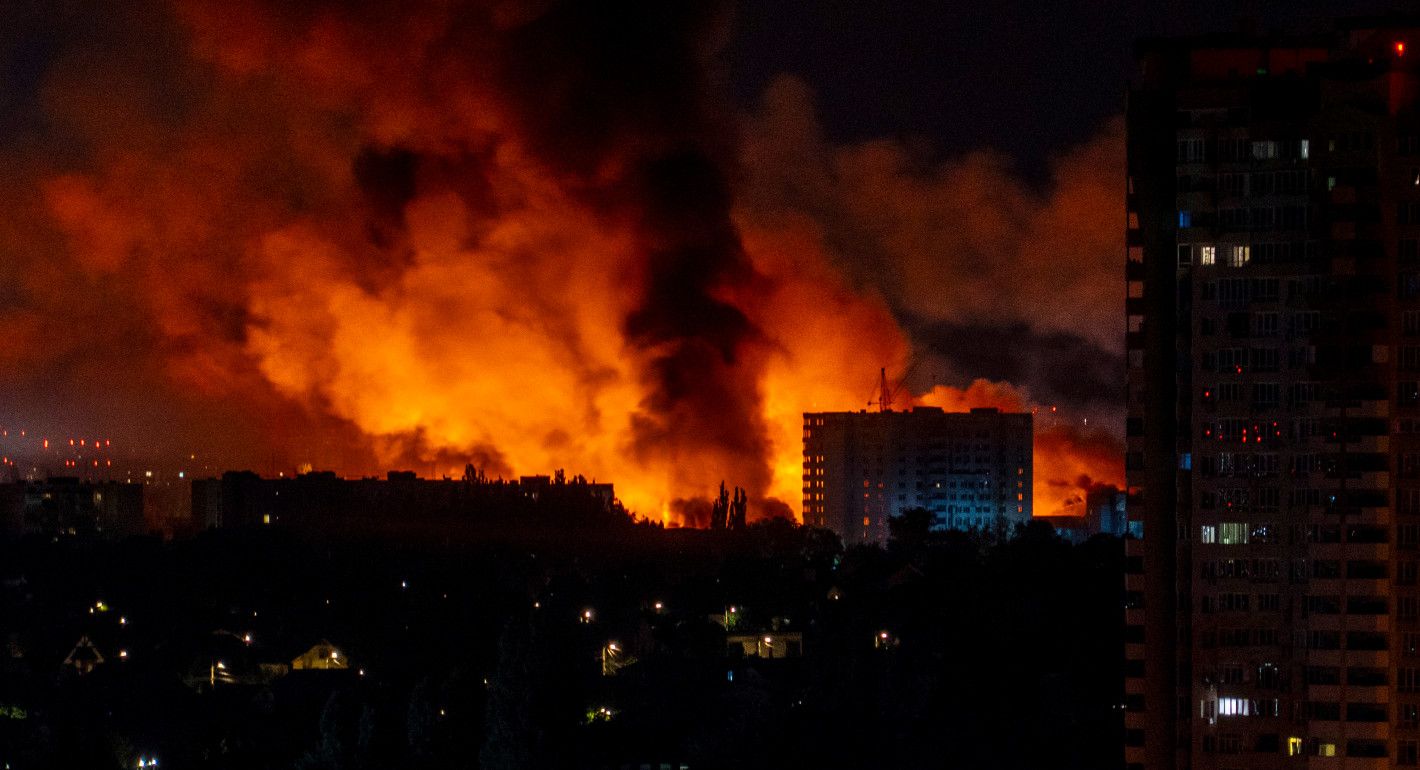
On this week’s episode of Carnegie Connects, Aaron David Miller spoke with Carnegie experts Eric Ciaramella, Alexandra Prokopenko, and Andriy Zagorodnyuk on the fourth anniversary of Russia’s invasion of Ukraine.
Excerpts from their conversation, which have been edited for clarity, are below. Watch the full discussion here.
Aaron David Miller: Andriy, what’s it like to be in Kyiv?
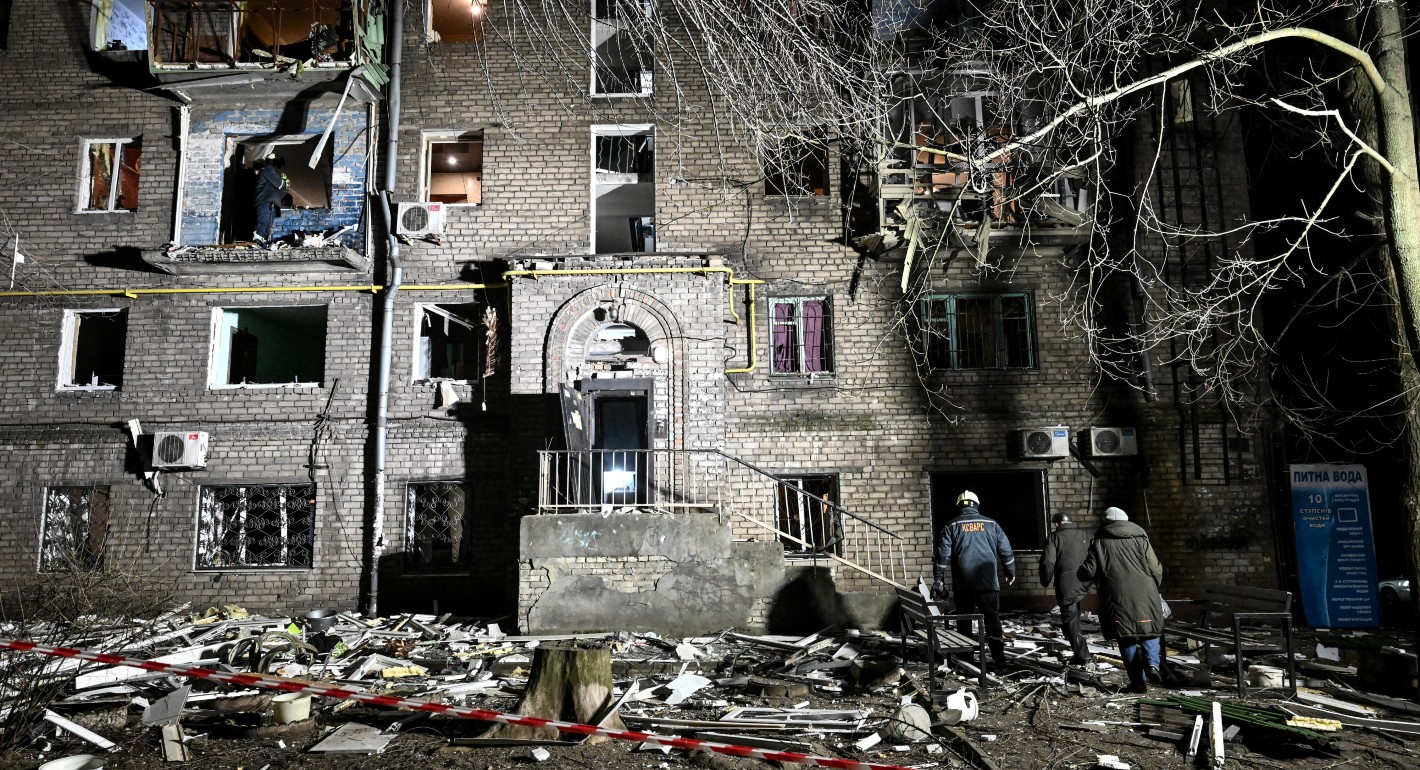
Andriy Zagorodnyuk: Most of the city is closed because of the enormous number of delegations coming for this anniversary. We have lots of European heads of state here, deputy heads of state, various military leaders. There are a lot of events, most of them about assessing where we are—basically high-level meetings—but there will be some signing of collaboration agreements on the way forward. It’s been quite difficult to drive around.
But the good news is that the temperature had risen, so we don’t have frost anymore. People are feeling a bit better because [the weather] isn’t as harsh.
Aaron David Miller: Sasha, you’re based in Berlin, but you spent most of your life in Moscow. What’s your sense of the atmosphere there now?
Alexandra Prokopenko: For years, many expected Russia’s economy to collapse under sanctions, which it didn’t—but it changed, and I think it changed irreversibly.
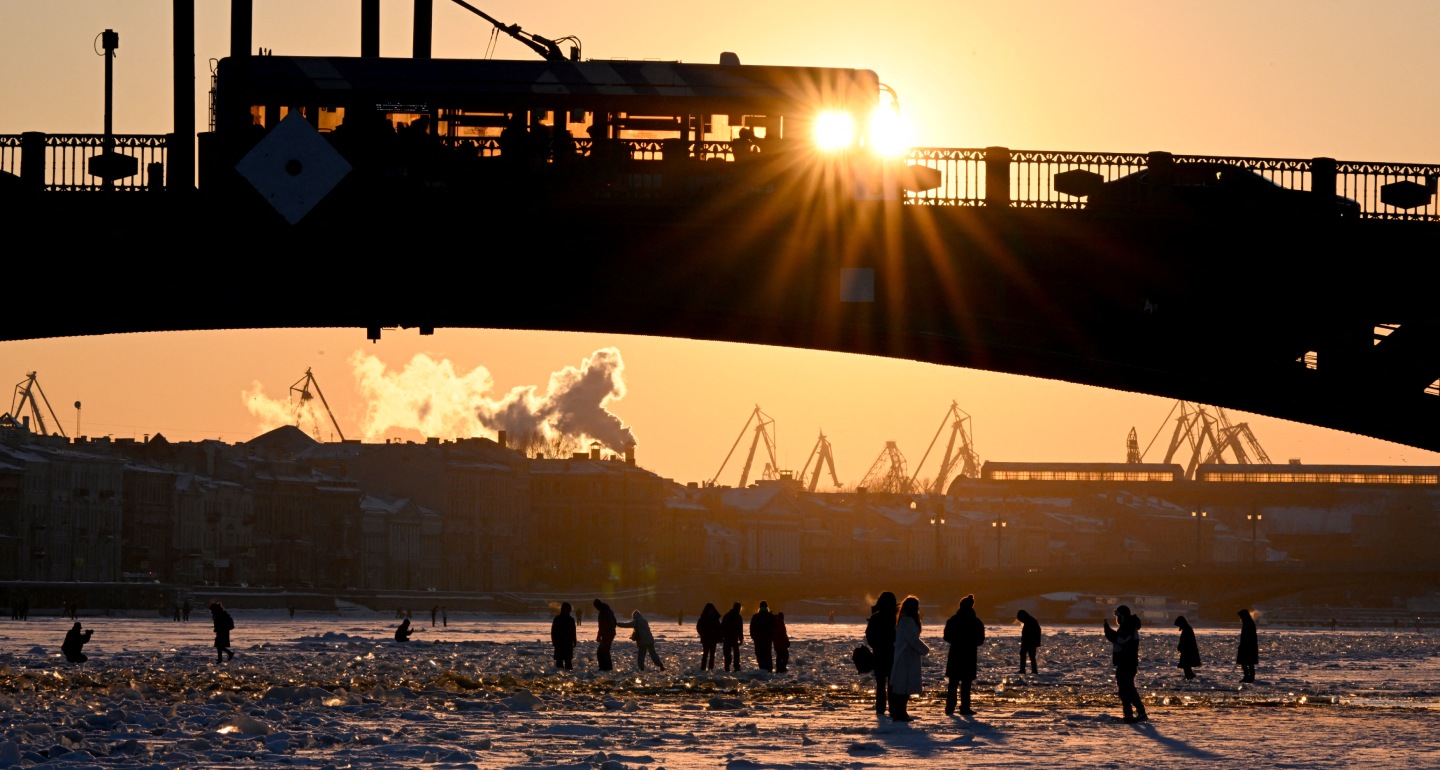
What’s amazed me is how the Kremlin maintains an illusion of normalcy. Restaurants in Moscow are still full. Marketplaces deliver the next day. Russians vacation in Turkey. I was recently in Istanbul, and it’s absolutely a Russian-speaking city. Lots of Muscovites travel to Istanbul, because the Western part of the world is closed to Russians.
But this normalcy is becoming increasingly expensive for the population. And it’s not only about inflation. Before 2022, there were zero drone attacks on Russian territory. By the end of 2025, there were eleven drone strikes or crashes per day on average. In 2021, Russia was ranked sixth globally in internet accessibility, and 85 percent of the population was online. In August 2025 alone, there were over 2,000 internet shutdowns. Before the war, Russian nationals could pay for items on Amazon, and firms could easily process cross-border transactions for goods. Now it’s like a ritual dance, with a bunch of intermediaries to get something into Russia because of sanctions, because the Russian banking system is de-SWIFTed. Before 2022, asset seizures were quite rare in Russia. In 2025, the amount of assets that were nationalized exceeded $11 billion. That’s the new reality.
Podcast host Alex Gabuev is joined by his colleague Alexandra Prokopenko, a leading expert on the Russian economy, to discuss its state ahead of the fourth anniversary of the full-scale invasion of Ukraine, and what looks set to happen this year.
Aaron David Miller: Eric, what’s the mood in Washington?
Eric Ciaramella: Unfortunately, Ukraine has fallen significantly off the American agenda. Probably the most important strategic shift in the war came with Donald Trump’s second inauguration, where he did an almost 180 on U.S. policy and abandoned former President Joe Biden’s policy of leading a broad international coalition in support of Ukraine.
Trump’s policy looks something like benign neglect, but it’s been much worse than that. We’ve seen this real turning of the screws on Ukraine as the negotiations have picked up, with really unrealistic deadlines and timelines and sense of urgency. I understand that everyone wants to end the war, Ukrainians first among them, but [the Trump administration has] thrown into this mix negotiators who profess to have no real knowledge of the conflict that are operating completely disjointed from the rest of the U.S. government, where significant expertise resides.
There was not a single high-level U.S. representative [to mark the anniversary in Kyiv]. The U.S. side was represented, as far as I can tell, by one of the generals who’s been doing a lot in support of Ukraine on a tactical and daily basis, but no high-level political support. And that’s a complete shift from what we saw in the previous three years.
Aaron David Miller: Andriy, you’ve talked about the concept of strategic neutralization, a long-term effort to make Russia’s military operations in Ukraine irrelevant. What do you mean by that?
Andriy Zagorodnyuk: Traditionally, there have been two options to win the war. One is through annihilation—the destruction of the [enemy’s] forces, which corresponds to the Soviet theory of victory. The other is through attrition—exhausting the enemy’s resources so that the enemy decides to withdraw from the war.
In a pure form, both of these scenarios are not acceptable to Ukraine for various reasons. So we needed to look at something where we can still achieve our strategic goals and make sure that Russian strategic goals have failed—but within the resources and the realistic options that we have.
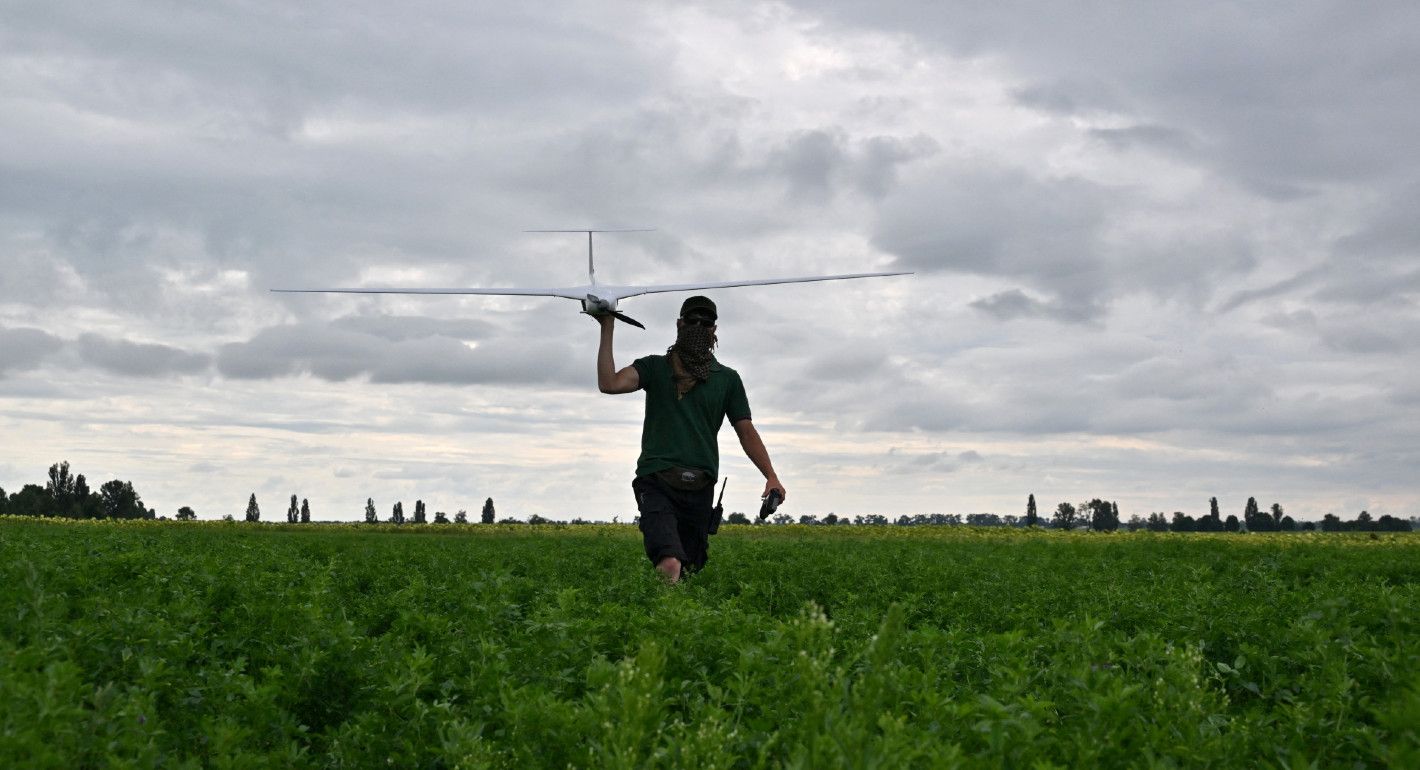
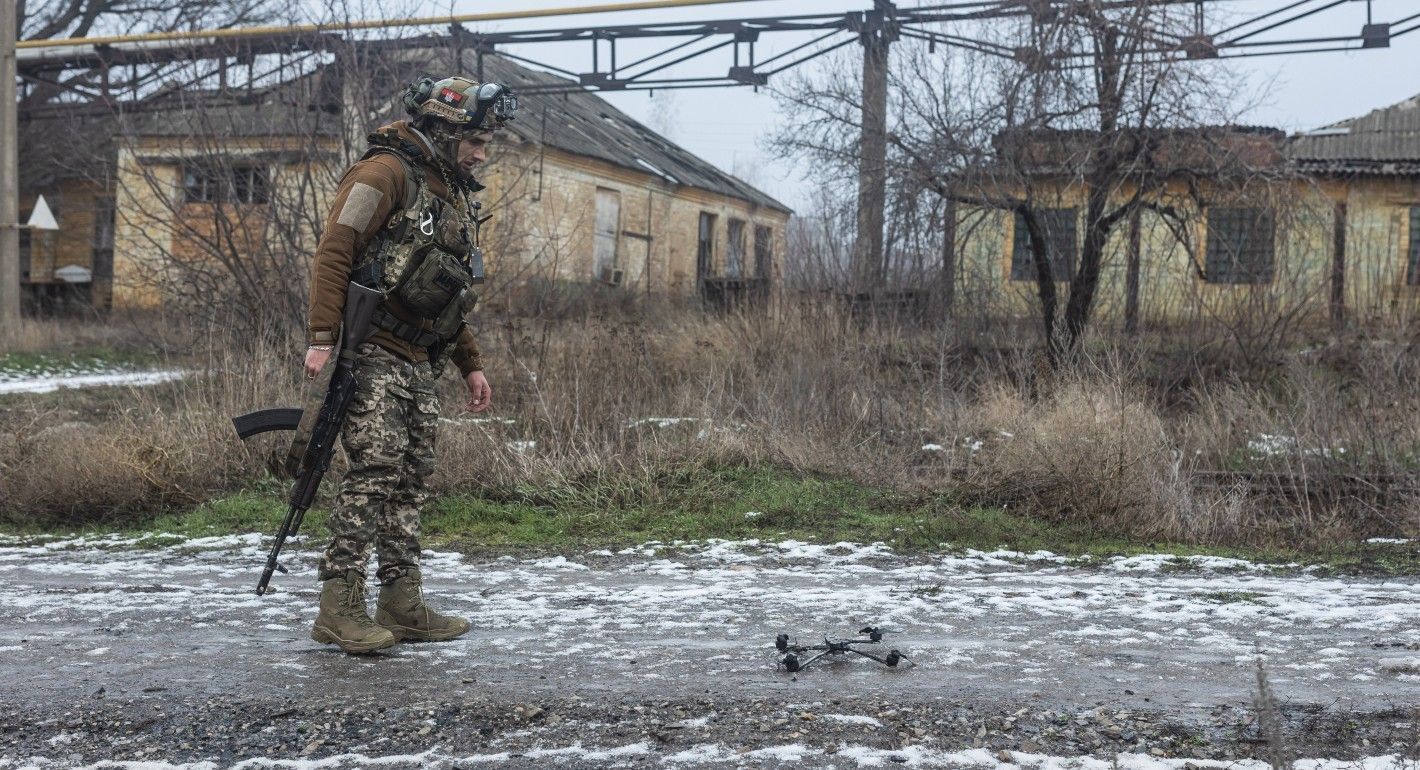
Despite some hardships and disappointments, Ukraine is remarkably holding the line. We just don’t let Russians move forward—despite over 100 attacks a day, they just cannot move on. Where there is some movement [along the line of contact] is essentially a function of Russia applying pretty much everything it has. Russia is moving out from other parts [of the battlefield] quite a lot of equipment and people, simply because they don’t have enough resources to fight. I’m not saying they don’t have resources as a country. I’m saying they don’t have resources in that area capable of achieving anything other than one or two directions—where even then they cannot move decisively. There are no strategic breakthroughs. In some directions, surprisingly to many, we have been regaining territory. We returned 400 square kilometers over the past few days in the southeast.
We do this without exhaustion and without annihilation. Some people call it a “functional defeat,” but that’s also too narrow a definition, because that means that they cannot properly function. Instead, we analyze the enemy’s system and build a defense that they cannot go through. Eventually, despite their enormous resources, they still cannot achieve anything meaningful. Over a period of time, Russia will simply run out of options to win.
By ensuring that Russia’s war is operationally pointless, Ukraine can survive, adapt, and achieve success, no matter how prolonged the war.
Aaron David Miller: Sasha, you had a fascinating piece in The Economist in which you talk about the Russian economy as a mountain climber in the death zone. How long can it remain there?
Alexandra Prokopenko: For Putin, attrition is not a strategy, but it is his tactics. And Putin thinks he can outlast his adversaries.
So why doesn’t Russia stop? Because the Kremlin is watching the other climbers. Europe is struggling with its own economic difficulties and other controversies. Ukraine is tired. The global economy is weak. And if you carefully listen to what economists say—that we’re in another crisis because of AI, or Iran, or China—Moscow believes that it can outlast all of them.
Russian elites—and not only Putin—believe that the West wants to contain Russia forever. If peace leads to the same place as fighting, why stop fighting? For Putin, it’s easier to continue the war at this particular moment than finish it and try to restore the economy. He knows that his economy is not at the point of imminent collapse, so he thinks that he can climb a little bit longer than others and then see. Probably something external, not internal, could change Putin’s calculus.
Aaron David Miller: The New York Times recently reported that, according to a Russian economist, even with depressed oil prices and sanctions on Russian companies, the oil situation for Putin is manageable. Is that a reasonable conclusion?
Alexandra Prokopenko: Yes, the situation with oil prices is not rosy for the Russian budget, but it’s still not dire. In 2023, the Russian leadership changed the taxation formula, so current oil prices don’t directly affect state finances. But if the situation persists for at least six months, that will flip the coin, and things will get worse. For now, it’s complicated but not dire.
Aaron David Miller: If you had to give the administration the benefit of the doubt when it comes to strategy, are there means at the administration’s disposal to accomplish the ends that they seek?
Eric Ciaramella: Let’s do a thought exercise.
Obviously, Trump has made it an urgent priority of his to end the war. It doesn’t really matter what his reasons for that are—Nobel Prize, vanity, some sort of humanitarian view. That strategic objective is not really that different from Biden’s or from the Europeans or from Ukrainians, for that matter. Everyone wants the war to end. The difference with Trump is that the cone of possible acceptable outcomes is much wider for him than it was for the Biden administration, the Europeans, and the Ukrainian leadership. He is much more willing to accept an outcome in which Ukraine has to accept a very unfavorable deal if it ends the war.
You can make an argument about whether a really unbalanced deal actually would create an enduring peace, but I would set that aside because for him, the objective is to at least at a minimum create the conditions for a ceasefire. The previous administration saw its military support for Ukraine and the pressure against Russia via sanctions as creating the conditions for Ukraine and Russia to sit at the table and negotiate some sort of equitable, lasting peace—to give Ukraine some cards to play such that they could get an outcome that was minimally acceptable to them.
This administration has flipped [that approach] on its head and has decided that the easiest path to get a cessation of hostilities is to pressure the weaker party, which they assess to be Ukraine. They’re using the tremendous leverage that the United States has over Ukraine by cutting off support, bludgeoning Ukraine publicly, warning of all of these catastrophic scenarios, and so on—while putting very minimal pressure on the Russians.
To me, that is not a workable approach to achieve some sort of negotiated outcome. Whether a negotiated outcome even is possible under the best of circumstances I think is still under question. But what those best of circumstances would include are significantly more pressure on Russia and frank conversations with Ukraine about what an acceptable end state is, but also a credible commitment to Ukraine that the United States and Europe will be there over the long term to support Ukraine’s sovereignty and right to defend itself.
Part of the issue here is that we have this huge mismatch in capacity. The United States and Europe collectively are far stronger militarily and economically than Russia. So why is it that they keep running into this wall?
I think it is about time and the projection of political will. It’s because four years into this war, the West is still in this ad hoc emergency crisis management mode, where we lurch from one policy decision to the next, one crisis to the next, one funding package to the next. We saw it most recently in the European Council meeting in December. There’s no ability to project any strategy. To create the conditions for a just and lasting peace, we have to be able to credibly commit to financing, equipping, and training Ukraine’s own defense and deterrence force for the foreseeable future—five, ten years. We have been unable to muster the kind of political will and multiyear planning to do that, which is why Putin says, “I can wait a few more months because the wheels are coming off the bus.”
It’s dangerous to dismiss Washington’s shambolic diplomacy out of hand.
Aaron David Miller: Isn’t that partly related to the fact that we are very uncertain about what American objectives are with respect to ending the conflict? Trump seems to have enlarged the margin of outcomes, which would sacrifice Ukraine’s interests on territory.
Eric Ciaramella: The territorial question is really only one small component of the end. This was never a war about territory in the first place.
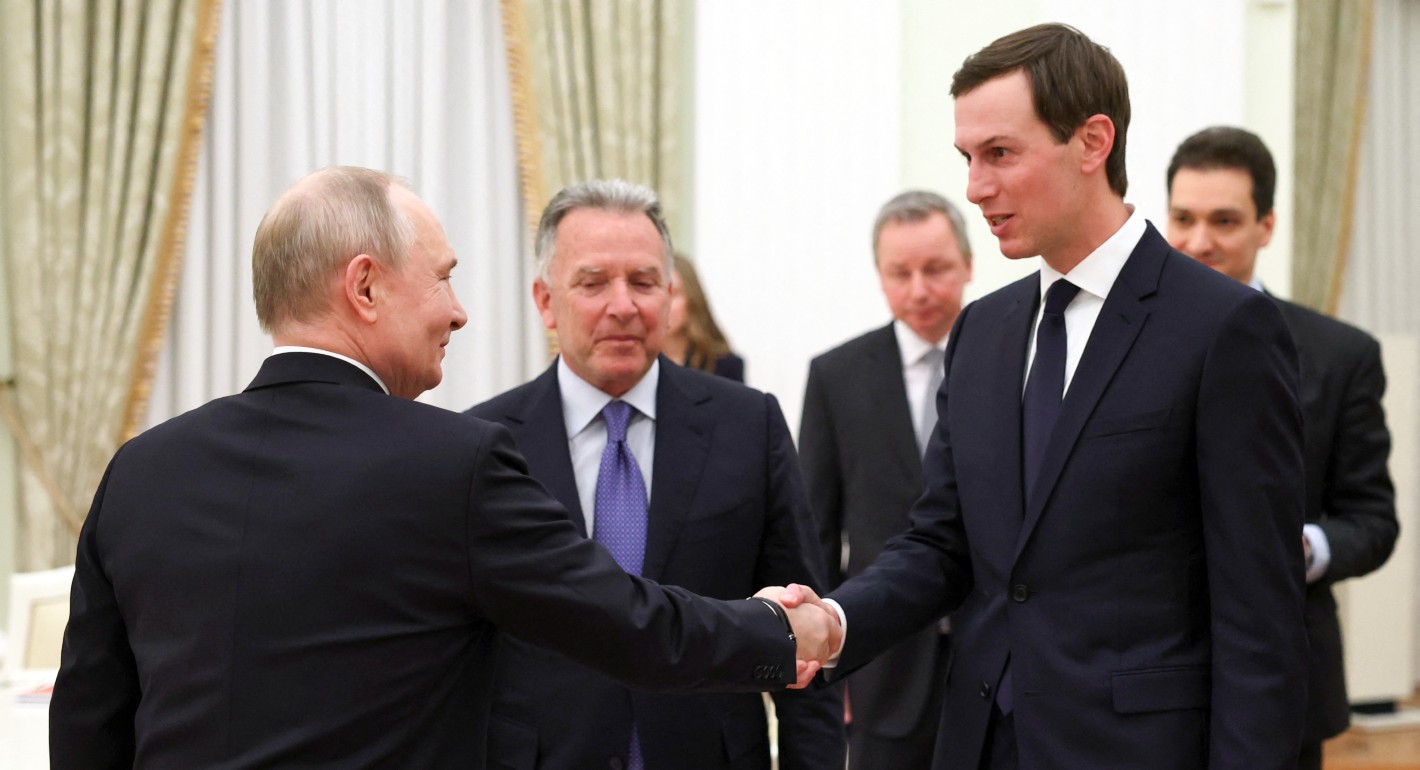
It has become the dominant topic in conversation, I think, in part because the Russians have convinced some senior people in the Trump administration that all you need to do is pressure the Ukrainians to withdraw from this little piece of land and everything will be great. People like Steve Witkoff and Jared Kushner think you’d be walking into a land of enduring peace, but there’s a room with another set of doors, and then you get to Russia’s additional demands.
It is, fundamentally, on the Russian side about gaining the ability to control Ukraine politically and to reabsorb Ukraine into the political orbit and sphere of Moscow. The irony is that there is a recognition [even by Trump] that a fundamental American interest is to deny Russia the ability to reabsorb Ukraine into Moscow’s sphere. Trump, for all of his fiery rhetoric and Ukraine-bashing, still has been unwilling to completely pull the rug out from Ukraine. He has allowed the intelligence support, which is vital to the Ukrainian war effort, to continue. He has allowed the Europeans to purchase weapons via a NATO mechanism for Ukraine. And he’s been unwilling to see Ukraine completely fail.
I think that that does get at what is a core interest, even in the Trumpian logic: Ukraine should be able to stand as a sovereign, independent country, regardless of what the ultimate territorial disposition is. Now, I would say that we have a deeper interest in Ukraine’s robust defense, economic prosperity, democracy, and so on. But all of those things stem from the fundamental strategic interest in having Ukraine remain an independent and sovereign state. If we accept that as the strategic objective, then we should be able to credibly commit to a long-term plan of support, even if we have not quite figured out what the territorial disposition is.
I don’t think we have to have complete clarity on that at this point in order to make a long-term commitment. And once we did make that commitment, I think it could begin to shift the calculus in Moscow that actually they’re looking at another five, ten, fifteen years of the same thing. Then it makes sense just to cut their losses. But we’re still a long way away.
Get more news and analysis from Emissary
The latest from Carnegie scholars on the world’s most pressing challenges, delivered to your inbox.
Aaron David Miller: Is a conflict-ending solution even possible?
Andriy Zagorodnyuk: I don’t think that we can count on that with Putin’s regime at all. I don’t know how obsessed they are with Ukraine. It seems that it goes beyond logic, frankly speaking, but it’s not for me to judge. What we see is an absolute obsession with the idea of the destruction of Ukraine and restoring the imperial mind. They are ready to destroy their own country, essentially, and for years and generations, in order to achieve those goals, which are highly questionable in any case.
Now, I am personally aligned with the opinion that failure in the war would become the end of [Putin’s] regime. They cannot accept that failure. Whatever is not triumph for Putin is going to be considered as either a temporary solution or maybe not a solution at all, and he will continue.
Frankly, Aaron, I don’t believe in a ceasefire. I think that Putin will be happy to poke at the results of any cessation in hostilities and then restart the war the next day. I don’t think we see any deterrence mechanism built so far, and without that deterrence mechanism, he will have no consequences for restarting the war.
Eric Ciaramella: I couldn’t agree more with Andriy. I think this is a structural confrontation that is going to last generations, and it’s going to define European security for probably the rest of the time that all of us are working on this issue. It will probably outlast Putin, at least for a certain period of time, because I don’t see the ingredients for a real change in the Russian leadership mindset.
I maybe would dispute Andriy’s belief that there’s no chance for a ceasefire. I think that the conditions could be created to make a ceasefire possible, but I agree that it would be just a pause. If we don’t have the mechanisms in place for deterrence, then it’s just paving the way for another war. If we create the conditions for a ceasefire, we shouldn’t delude ourselves into thinking that it’s the end. We need in place long-term security arrangements for Ukraine. It will be a race to rearm, and we have to do everything we can to make sure that the next phase of the war doesn’t start.
Senior Fellow and Ukraine Initiative Director, Russia and Eurasia Program
Eric Ciaramella is a senior fellow in the Russia and Eurasia program at the Carnegie Endowment for International Peace. His work focuses on Ukraine and Russia.
Andriy Zagorodnyuk is a nonresident scholar in the Russia and Eurasia Program at the Carnegie Endowment for International Peace. He served as the defense minister of Ukraine from 2019 to 2020. He currently chairs the Centre for Defence Strategies, a security think tank based in Kyiv that he co-founded.
Carnegie does not take institutional positions on public policy issues; the views represented herein are those of the author(s) and do not necessarily reflect the views of Carnegie, its staff, or its trustees.